Archive
- January (26)
- February (20)
- March (19)
- April (20)
- May (21)
- June (20)
- July (22)
- August (18)
- September (19)
- October (19)
- November (18)
- December (19)
Solar Books to Skip
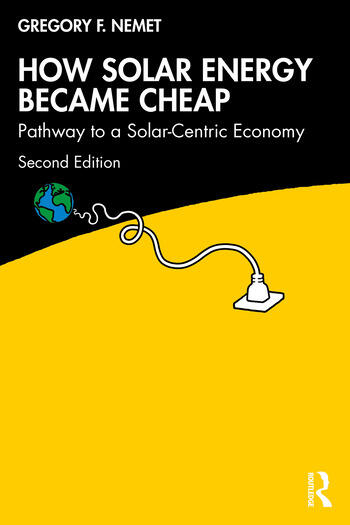
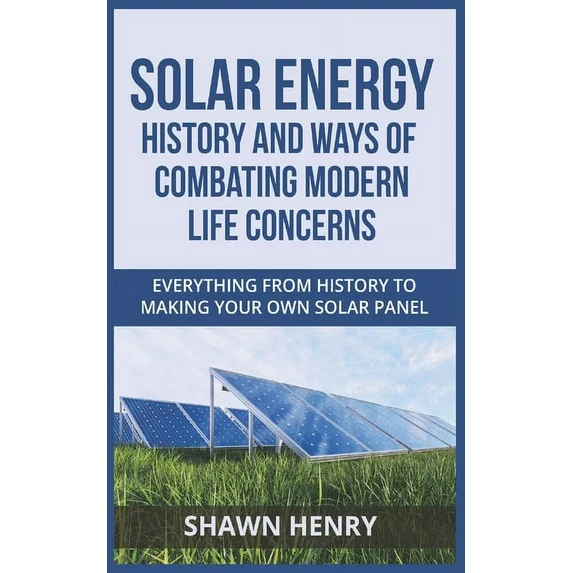
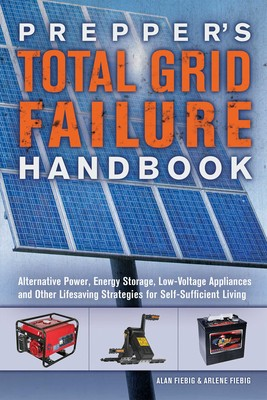
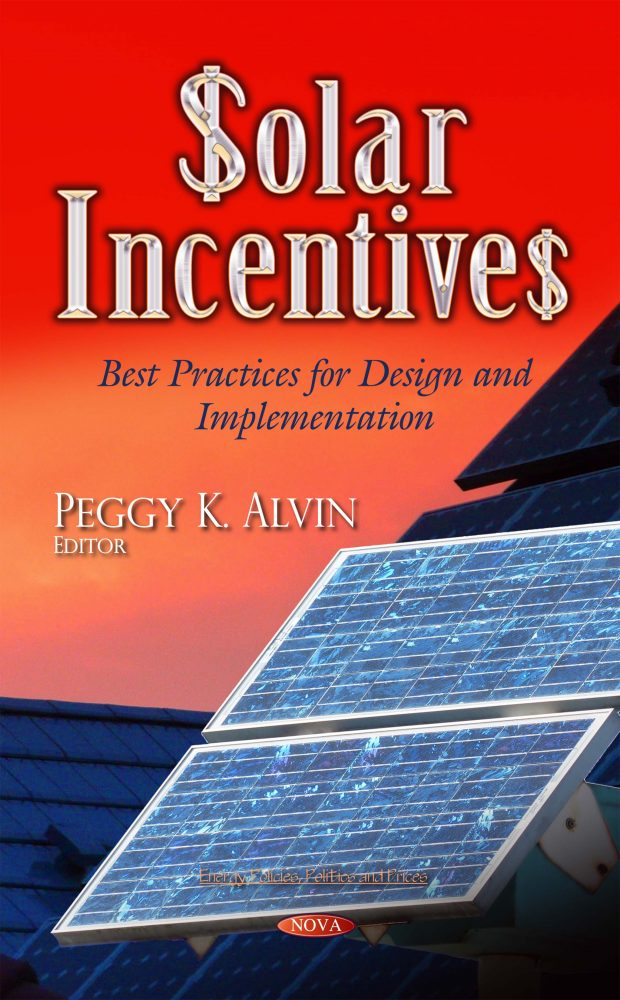
By Robert Bradley Jr. -- September 19, 2025With the bust of the rooftop solar industry in the U.S. (“Solar Bankruptcies: The New Normal“), a quick look at some of the trendy books from the political boom is illustrative. Grid solar is hanging on thanks to government intervention, but a bust is developing there.



Lisa Sachs (Columbia University): Assume, Don’t Debate, Premises
By Robert Bradley Jr. -- September 17, 2025“The least Columbia University can do is to invite leading scholars on the non-alarmist side to present the case for CO2/climate optimism. For the students … for civil debate … for good public policy.”
I like Lisa Sachs although I have never met her. The director of the Columbia Center for Sustainable Investing allows my challenging comments rather than cancel me like many other climate academics on the Progressive Left. And I can score some points to let the alarmists/activists know that they are short-changing the learning process if not reality itself.
This is a new era of debate about all things climate and energy. Columbia University might well be one of the last bastions of alarmism/activism, like the New York Times. But here comes the loyal opposition ….
I have debated Lisa Sachs before.…
National Clean Energy Week: Re-education Please
By Robert Bradley Jr. -- September 16, 2025Perhaps it is a last stand and, in some respects, a wake. The “Policymakers Symposium” scheduled for September 17-18 in New York City is described as follows:
National Clean Energy Week is a celebration of the policies, industries, and innovations that power our daily lives while producing no or very little greenhouse gas emissions. Despite the very real technological and political challenges, a clean energy future is in our reach and America is ready to lead the way. Whether attending the flagship Policymakers Symposium or hosting your own celebration, please join us in recognition of all that clean energy can bring: energy independence and economic prosperity.
The pitch?
…Register now for the National Clean Energy Week Policymakers Symposium and secure your place among the policymakers, business leaders and innovators driving change.